Statistical Analysis Of Pharmaceutical Industry Energy Saving Potential By Benchmarking

Downloads
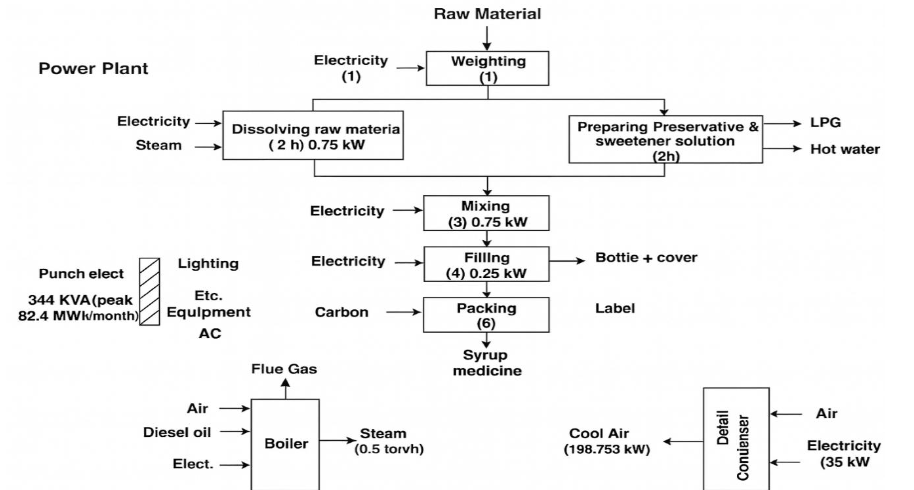
This study focuses on identifying and quantifying the potential for energy savings in the pharmaceutical industry through a comprehensive energy audit approach. This analysis enabled the identification of electricity usage patterns, assessment of operational efficiency, and evaluation of overall energy performance indicators. The results reveal a consistent year-over-year increase in energy demand, exceeding the projected electricity supply from the grid. These findings highlight the urgent need for energy optimization strategies, such as the adoption of advanced energy management systems, process optimization, and investment in renewable energy integration, to ensure sustainable operations and mitigate the risks of future energy shortages. By providing actionable insights and quantifiable metrics, this research contributes to supporting decision-makers in the pharmaceutical sector in planning energy-efficient operations and aligning with sustainability goals.
Downloads
[1] J. Juliana, F. Antonio, A. Pramezwary, J. M. H. Situmorang, A. Djakasaputra, and R. Pramono, "Model for measuring customer satisfaction and delight in Restaurant Industry," Jurnal Manajemen Industri Dan Logistik, vol. 7, no. 1, pp. 53-71, 2023.
[2] P. Samosir, R. Rasyid, F. S. Nomer, and B. Christofer, "Analisis Statistik Bauran Energi Terbarukan Indonesia Tahun 2015-2022," Jurnal Mekanik Terapan, vol. 4, no. 3, pp. 127-137, 2023.
[3] P. K. Prasetyanto, E. Gravitiani, and A. S. M. Al Ahmad, "The impact of economic growth on energy consumption: An error correction approach in Indonesia," in IOP Conference Series: Earth and Environmental Science, 2025, vol. 1438, no. 1: IOP Publishing, p. 012050.
[4] A. Suwandi and J. J. A. U. T. Tomang, "Analisis penentuan konservasi energi pada industri logam," Jurnal Inovisi™ Vol, vol. 12, no. 2, p. 98, 2013.
[5] K. Kasmad, M. Mustakim, and A. Purnama, "The Influence Of Digital Marketing, Product Innovation And Competency On MSME Performance In The South Tangerang Region," Jurnal Manajemen Industri dan Logistik, vol. 8, no. 1, pp. 32-44, 2024.
[6] D. Mulyani and D. Hartono, "Pengaruh efisiensi energi listrik pada sektor industri dan komersial terhadap permintaan listrik di Indonesia," Jurnal Ekonomi Kuantitatif Terapan, vol. 11, no. 1, pp. 1-17, 2018.
[7] Y. Jafari, J. Othman, and A. H. S. M. Nor, "Energy consumption, economic growth and environmental pollutants in Indonesia," Journal of Policy Modeling, vol. 34, no. 6, pp. 879-889, 2012.
[8] M. Z. Fawwaz, "Implementasi Transisi Energi pada Pembangkit Listrik di Indonesia melalui Energy Security Tahun 2021-2023," Universitas Islam Indonesia, 2024.
[9] S. Bu, G. Shen, C. J. Anumba, A. K. Wong, and X. Liang, "Literature review of green retrofit design for commercial buildings with BIM implication," Smart and Sustainable Built Environment, vol. 4, no. 2, pp. 188-214, 2015.
[10] D. I. Harinaldi and M. Eng, "Prinsip-prinsip statistik untuk teknik dan sains," Jakarta: Erlangga, 2005.
[11] L. Qodariah and M. Nurjihadi, "Pengaruh Sektor-Sektor Ekonomi Prioritas dan Variabel Demografis Terhadap Konsumsi Energi Listrik di Provinsi Nusa Tenggara Barat," Journal of Macroeconomics and Social Development, vol. 1, no. 3, pp. 1-14, 2024.
[12] D. Setyawan, "Energy efficiency in Indonesia’s manufacturing industry: a perspective from Log Mean Divisia Index decomposition analysis," Sustainable Environment Research, vol. 30, no. 1, p. 12, 2020.
[13] E. Wanimbo and M. Amiruddin, "Perhitungan nilai intensitas konsumsi energi (ike) ruangan bptik universitas pgri semarang," in Seminar Nasional Science and Engineering National Seminar, 2019, vol. 1, no. 1.
[14] A. A. Fathony and Y. Wulandari, "Pengaruh Biaya Produksi Dan Biaya Operasional Terhadap Laba Bersih Pada PT. Perkebunan Nusantara VIII," Akurat| Jurnal Ilmiah Akuntansi Fe Unibba, vol. 11, no. 1, pp. 43-54, 2020.
[15] A. Solichan, "Audit dan Konservasi Energi Sebagai Upaya Pengoptimalan Pemakaian Energi Listrik di Kampus Kasipah UNIMUS," in Prosiding Seminar Nasional & Internasional, 2010, vol. 3, no. 1.
[16] D. H. D. Yanti, D. I. S. Lestari, S. Sunarti, and M. Y. R. Pandin, "Pengaruh Penerapan Ekonomi Hijau Terhadap Peningkatan Pendapatan Pada PT. Pertamina Geothermal Energy Tbk," Inisiatif: Jurnal Ekonomi, Akuntansi dan Manajemen, vol. 3, no. 3, pp. 434-450, 2024.
[17] E. H. Susilo, "Tranformasi Sistem Pemerintahan Berbasis Elektronik Kementerian Energi dan Sumber Daya Mineral melalui Optimalisasi Teknologi Informasi Terintegrasi," Jurnal Pendidikan Tambusai, vol. 5, no. 3, pp. 8101-8121, 2021.
Copyright (c) 2025 sungkono sungkono, Burhan Bungin, Damelina Basauli Tambunan

This work is licensed under a Creative Commons Attribution 4.0 International License.
JMIL Jurnal Manajemen Industri dan Logistik (Journal of Industrial and Logistics Management) is an Open Access Journal. The authors who publish the manuscript in JMIL Jurnal Manajemen Industri dan Logistik agree to the following terms:

JMIL Jurnal Manajemen Industri dan Logistik is licensed under a Creative Commons Attribution 4.0 International License. This permits anyone to copy, redistribute, remix, transmit and adapt the work provided the original work and source is appropriately cited.
This means:
(1) Under the CC-BY license, authors retain ownership of the copyright for their article, but authors grant others permission to use the content of publications in JMIL Jurnal Manajemen Industri dan Logistik in whole or in part provided that the original work is properly cited. Users (redistributors) of JMIL Jurnal Manajemen Industri dan Logistik are required to cite the original source, including the author's names, JMIL Jurnal Manajemen Industri dan Logistik as the initial source of publication, year of publication, volume number, issue, and Digital Object Identifier (DOI); (2) Authors grant JMIL Jurnal Manajemen Industri dan Logistik the right of first publication. Although authors remain the copyright owner.